Top 5 Problems Plaguing New TV Shows
Have television shows lost their spark? At one time, television shows were able to tell long lasting stories that connected with the hearts of viewers in a way that films couldn’t due to their limited runtimes. But now, TV shows have to fight an uphill battle to attract viewers before either getting cancelled or collapsing in on themselves.
Here are the top 5 trends that have started to plague the industry and cause the demise of high-quality television.

1. Long Wait Times Between Seasons
Seasons between shows used to be quick, with most shows coming back every few months to every year. “Six Feet Under” is a show that had its seasons released yearly from 2001-2005, but now many TV shows have started to push the boundaries of how long a wait time is acceptable.
“Stranger Things” is the perfect example of this. While the show didn’t create the idea of extremely delayed seasons, it popularized it, and many shows have started following in its footsteps. Season five of the show came out three years after season four.

2. 8 Episode Seasons Becoming the Norm
Viewers are waiting half a decade just for fewer episodes for each season. “Euphoria” is another dramatic example of a show pushing the boundaries as it only had 18 episodes in total despite its first season coming out 7 years ago.
Eight-episode seasons force TV shows to fill each episode with as much content as possible, meaning each episode feels like it’s trying its hardest to force the story to continue as much as possible. This does not allow the show to slow down and give time for the characters to develop.
Jam-packing so much content into one episode also causes episodes to be extremely long, five out 8 episodes from “Euphoria” season 2 were an hour long, these long runtimes may cause more damage as most people will feel as though it’d be too much of a commitment to sit through.
3. AI being used to write shows
One of the best things about writing is being able to create characters the resonate with people that leaves an impact on TV history forever, which is something that Ai can never replicate.
Following the release of the “One Last Adventure: The Making of Stranger Things 5” documentary, many people started picking apart weird writing choices and calling out dialogue that made no sense for the universe. But the one thing that was the most talked about was the usage of ChatGPT during a scene in which one of the Duffer brothers was shown on a laptop typing up the script. Viewers are concerned that the use of AI means most shows will lose the emotional impact that they used to have because AI cannot grasp concepts and ideas the same way a person can.
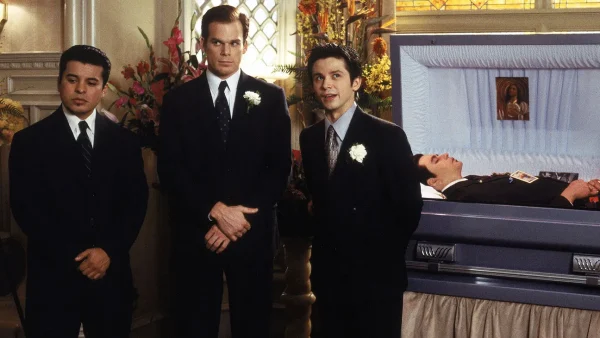
“Six Feet Under” is a show about death and grief that is widely known for the impact the shows finale episode leaves on the viewer, which would not have had the same impact with the usage of Ai because Ai does not understand human emotion. The idea of the show came after the creator lost his sister.
4. Prioritizing Fan Service over Real Writing
Fan culture’s effects can be felt when a show actively ruins itself to please its general fans. Fan service is the act of a tv show sideling its best or most engaging plot lines to up lift characters that are popular with the general audience.
“Stranger Things” sidelined the Byers family after the first two seasons were extremely centered around them to uplift Eleven and her relationship Mike and because of this many people sight season 3 as the reason why the show saw a decrease in quality.
“Euphoria” season 3 is facing a lot of criticisms for sidling Jules, who had as much screentime as Rue in the first two seasons, to push Cassie to the center despite the fact that she is one of the most hated characters on the show.
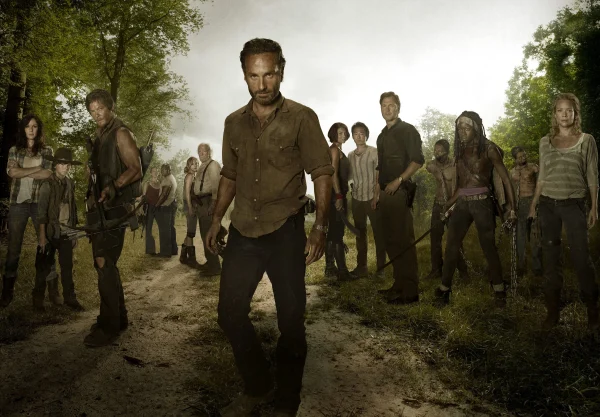
“The Walking Dead” avoided killing off popular characters, which ruined the experience for viewers as it breaks any amount of tension and feeling of consequence that the show had.

5. All Episodes Being Released All Together
One of the biggest causes of T.V. shows losing their popularity is the mass release of episodes rather than airing them weekly. Netflix has been constantly criticized for dropping every episode of a show when it comes out.
The reason a show like “Euphoria” was able to amass such a large audience was because of the way many online users posted their reactions to the show in real time every time a new episode aired. It helped to create a sense of community around the show which only grew bigger after season 2.
On the opposite side, “Stranger Things” could not build that same community as every episode dropping at once meant people would not be able to go online without encountering spoilers. If you were someone who didn’t immediately binge the show, by the time you were finished, many people would have already moved onto something else.
TV shows aren’t going anywhere anytime soon, but these problems have become so prevalent and noticeable that viewers have become tired of it and are making it known. If any TV show creator wants to make sure their show is successful, then I would try to avoid making any of these mistakes.